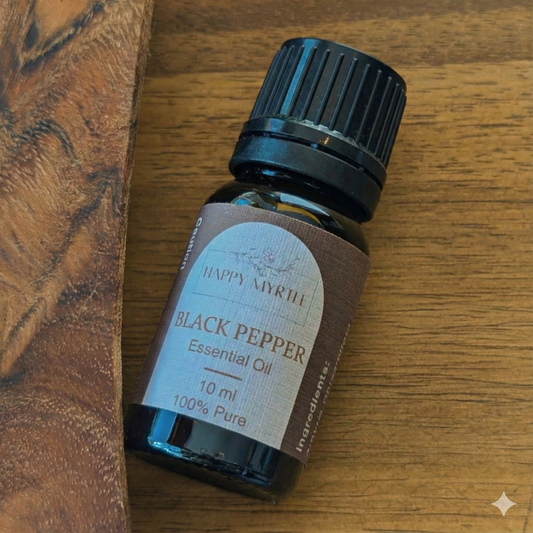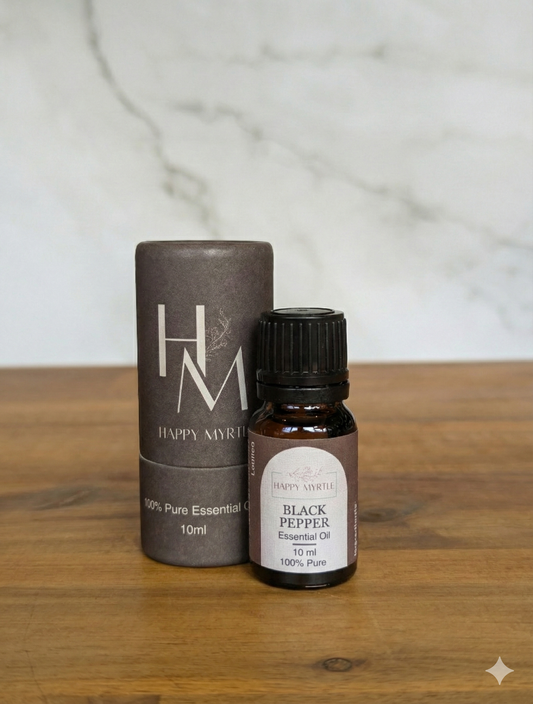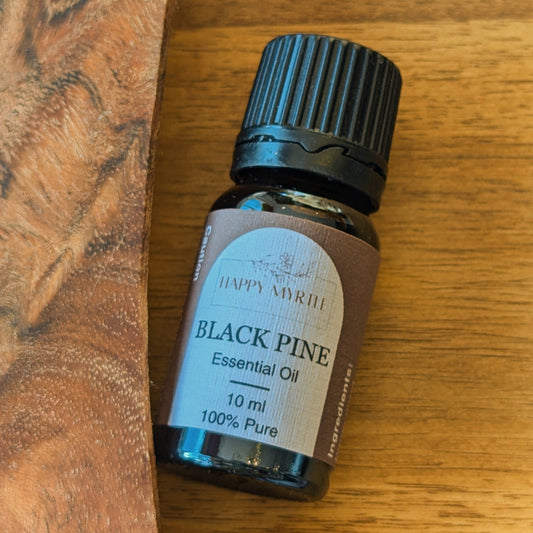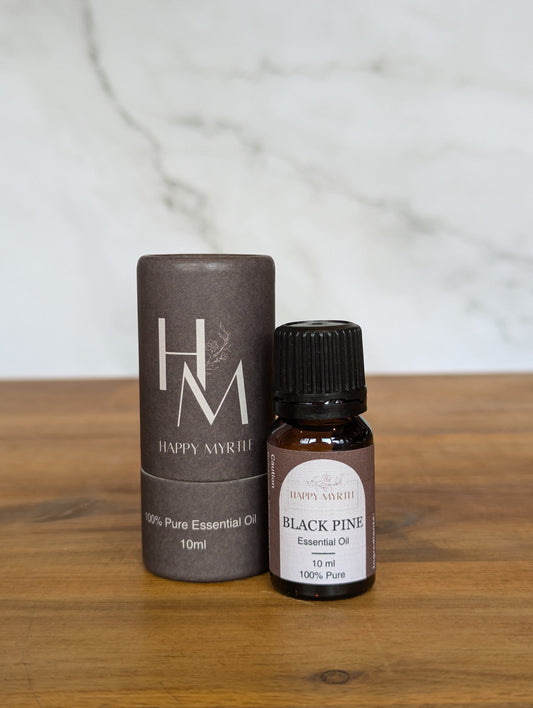


Starting with essential oils can feel like stepping into a maze. There are so many to choose from—lavender, peppermint, eucalyptus, tea tree, and a whole bunch of citrus blends. If you’re new, it’s normal to stare at the shelf (or your online cart) and think, “So…where do I even start? Which ones should I actually get? And how do I use these things without messing up?”
Let’s cut through the noise. This guide breaks down what you really need to know to get rolling with essential oils—picking the right ones, using them safely, and building some confidence along the way. Whether you’re curious about aromatherapy to relax, want to dabble in natural skincare, or just want your home to smell fresh without chemicals, you’ll find your footing here.
What Exactly Are Essential Oils and why do we use them?
Think of essential oils as the super-concentrated “essence” of plants—leaves, flowers, bark, even citrus peels. They’re usually made by steam distillation or cold pressing. That means they’re strong. Seriously, just a drop or two can go a long way.
People turn to essential oils for all sorts of reasons: stress relief, better sleep, a more inviting home scent, skin and scalp care, even easing sore muscles after a workout. Some folks love them for emotional balance or natural cleaning too. Just remember—oils can boost your everyday wellness, but they’re not medicine. Use them wisely, and don’t ditch your doctor’s advice.
Which Essential Oils Should You Buy First?
If you’re starting from scratch, stick with a few tried-and-true oils that work for lots of things. Here are five great picks for beginners:

Best for: Chilling out, sleep, soothing skin
Lavender’s a classic. People use it to unwind, fall asleep, or just take the edge off after a long day.
How you can use it:
- Add a couple drops to your diffuser before bed
- Mix it with a carrier oil for a relaxing massage
- Stir it into bath salts

Best for: Energy, focus, cooling relief
This one’s crisp and refreshing. Good for clearing your head or giving you a little pep.
How you can use it:
- Diffuse while you work or study
- Dilute and massage into tired muscles
- Add to a foot soak
Heads up: Peppermint’s not great for small kids.

Best for: Skin care, cleaning Tea tree’s been a go-to for skin support (especially in Australia) and is a staple for homemade cleaning blends.
How you can use it:
- Dab (diluted in a carrier oil) on blemishes
- Add to DIY cleaning sprays
- Mix a few drops into scalp treatments

Best for: Breathing easy, freshening the air Known for its strong, clean smell. Great during stuffy seasons.
How you can use it:
- Drop some on your shower floor for steamy relief
- Diffuse when you feel congested
- Mix into chest balms (dilute first!)

Best for: Lifting your mood, cleaning Bright, clean, and energizing. Perfect for making your space smell like sunshine.
How you can use it:
- Add to homemade cleaning sprays
- Diffuse for a fresh, happy home
- Blend with a carrier oil for an energizing massage
Keep in mind: Citrus oils can make your skin more sensitive to sunlight.
Don’t Skip Carrier Oils
Here’s something every beginner needs to know: Don’t put essential oils straight on your skin. They’re way too strong. You need to mix them with a carrier oil—think jojoba, sweet almond, fractionated coconut, or grapeseed oil. For adults, start with 1–2 drops of essential oil per teaspoon of carrier oil. Check our carrier oil collection here.
How to Use Essential Oils Safely
Safety first—really. Essential oils are powerful, and using them the wrong way can cause skin irritation or worse. Here’s what you need to keep in mind:
1. Always Dilute
Never put undiluted oil right on your skin unless a pro tells you it’s okay.
2. Patch Test
Before you slather anything on, test a little diluted oil on a small spot and wait a day to see how your skin reacts.
3. Don’t Swallow Them
Leave internal use to the experts. Only take oils by mouth if your healthcare provider says it’s safe.
4. Be Careful Around Kids and Pets
Some oils aren’t safe for children, pregnant women, or animals. Do your homework before using them around your family or pets.
5. Store Them Right
Keep your oils in a cool, dark place. They’ll last longer and stay potent.
That’s the basics. Stick to these tips, start with a few core oils, and you’ll get the hang of it faster than you think.